Authors’ Biographies
Template (delete when everyone is done)
Note: if your profile is not below, duplicate this template and ad dyourself at the bottom. Upload your image to chapters/authors/ and keep it as jpg, max 1MB in size.
Exampla Personska (she/her)
Teaching Fellow, Some Department, University of Bananas
Their written bio paragraph goes here!
LinkedIn: https://....
Personal website: https://...
Work website: https://...
ORCHID: https://...
GitHub: https://...
ResearchGate: https:/...
Book Editors
TODO: Brittany Blankinship
Pawel Orzechowski (he/him)
Lecturer, Edinburgh Medical School, University of Edinburgh

I’m a programmer who fell in love with teaching. I believe that coding is a social and creative activity – it can open up our heart and mind so that we communicate better with each other and computers. For me, coding happens in your head and on paper, as you discuss it with someone… typing it up is just something you do at the end. I’ve taught programming for over a decade in coding bootcamps and universities (in business, social science and medicine contexts). I’ve contributed time, technical skulls, words and illustrations towards this unique book. I believe in authentic learning and creativity (without LLM reliance) so every letter you read was typed by a human.
LinkedIn: https://www.linkedin.com/in/dr-pawel-orzechowski/
Personal website: https://www.codestorytelling.com/
TODO: Charlotte Desvages
TODO: Kasia Banas
Umberto Noè (he/him)
Lecturer, The University of Edinburgh
I am a Lecturer in the Department of Psychology at the University of Edinburgh, where I focus on creating inclusive learning environments in statistics and programming. I care about making technical education accessible to all students, regardless of background. With over a decade of experience, I champion innovative methods like peer programming, i.e. the extension of pair programming to larger groups, to foster engagement, belonging, and collaboration. As editor of and author on this book, I want to share my expertise to support educators and future students.
Work website: https://edwebprofiles.ed.ac.uk/profile/umberto-noe
ORCID: https://orcid.org/0000-0002-4962-5189
Christopher Aldous Oldnall (he/him)
Lecturer, Edinburgh Medical School, University of Edinburgh
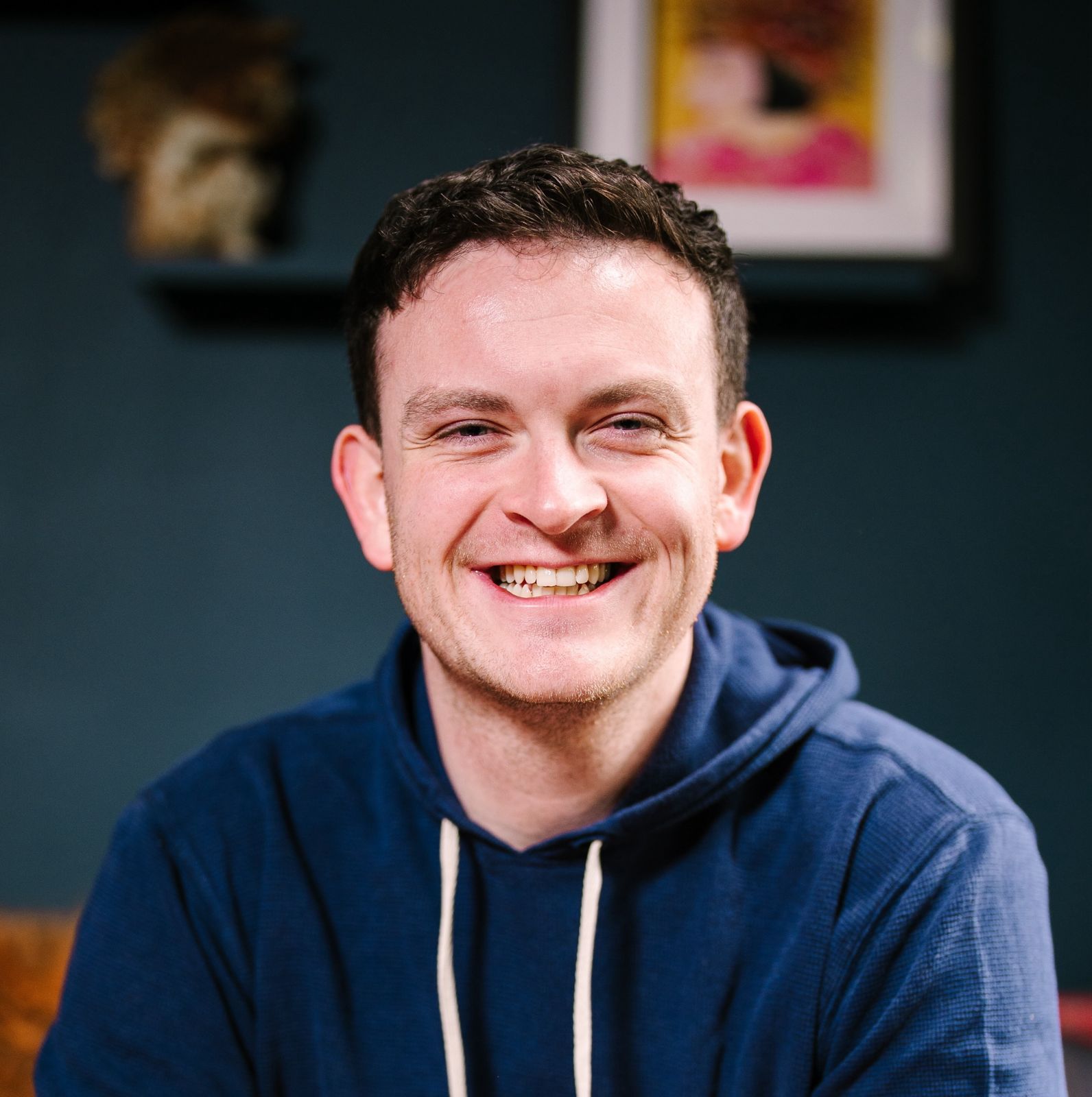
I come from a statistics and mathematics background and now teach programming through applied statistics and machine learning in health and social care. Much of my teaching focuses on helping learners get past the fear of starting to code, using small, practical tasks to build confidence early on. I mostly work with students from non-technical backgrounds and place a strong emphasis on learning by doing, often through collaborative work that makes coding feel less isolating and more manageable – an approach that underpins my contribution to this book.
ORCID: https://orcid.org/0000-0003-0160-8109
Personal Website: https://chrisoldnall.github.io/
Serveh Sharifi Far (she/her)
Lecturer in Mathematical Data Science, The University of Edinburgh
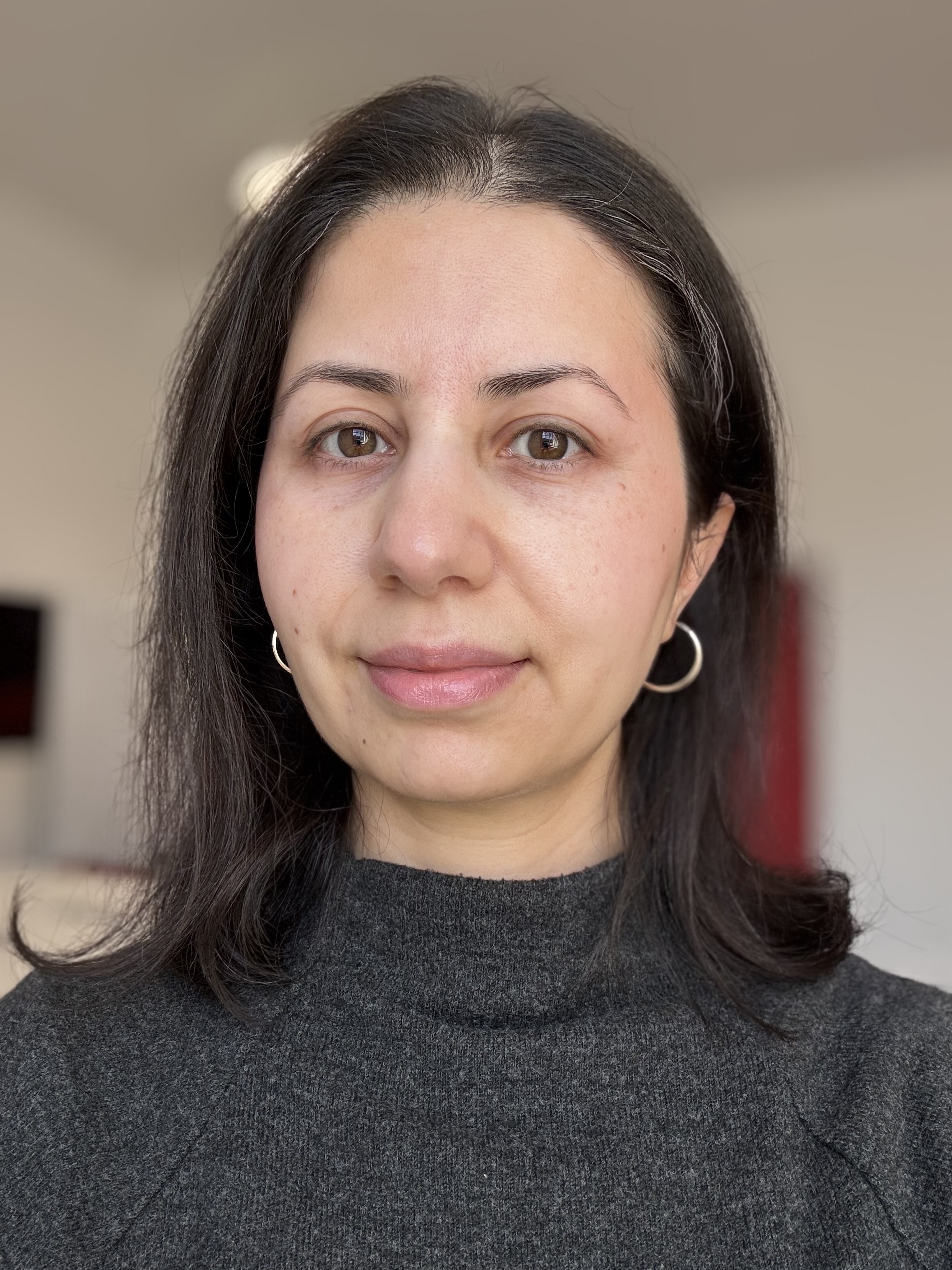
I am a Lecturer in Mathematical Data Science and a Fellow of the Higher Education Academy. My background is in Statistics, and my research focuses on statistical methodology and its applications in the social and health sciences. I teach undergraduate and postgraduate courses in statistics and data science, including programming in R and Python and working with learners from diverse backgrounds. I am also interested in data science pedagogy and how it can support more inclusive and responsible uses of data, which motivates my contribution to this book as an editor and author.
ORCID: https://orcid.org/0000-0001-8403-6286
TODO: Clare Llewellyn
Beatrice Alex (she/her)
Professor, Heriot-Watt University
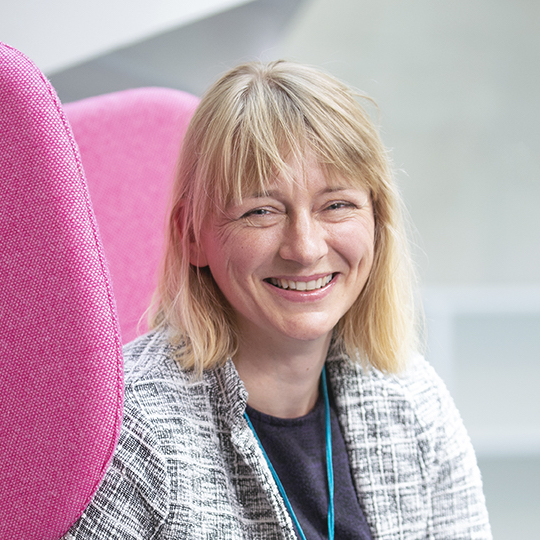
I’m a professor and researcher in language technology who’s spent years extracting meaning out of messy real-world text: clinical notes from hospitals, 19th-century newspapers, historical archives, you name it. My work sits at the meeting point of natural language processing and the humanities, social sciences and healthcare, which means I’ve taught programming to people who have never looked at a terminal before but are keen to learn. That experience shapes my contribution here: I care about making computational methods feel approachable, especially for learners who don’t see themselves as “tech people” but have brilliant questions worth asking with code.
Work website: https://researchportal.hw.ac.uk/en/persons/beatrice-alex/
Work website: https://www.ltg.ed.ac.uk
Ozan Evkaya (he/him)
Lecturer in Statistics, University of Edinburgh
I am a Lecturer in Statistics (FHEA) at the School of Mathematics (SoM), University of Edinburgh, teaching statistics and data science at undergraduate and postgraduate levels. My research focuses on statistical modelling and copula applications. Recently, I have been interested in generative AI and its impacts on teaching. I have been involved as SIG lead in “AI in statistics education” through the Researchers of Statistics Education Network (RoSE) and the Academy Network of AI Leads in the Mathematical Sciences. As editor of and author of this book, I am motivated to share my diverse set of experiences with interested readers.
Personal website: https://oevkaya.netlify.app/home
LinkedIn: https://www.linkedin.com/in/ozanevkaya/
TODO: Franziska McManus
Project Manager
Franziska McManus (she/her)
All Chapter Authors
Samantha J. Ahern (she/her)
Education Co-Lead, Centre for Advanced Research Computing, University College London
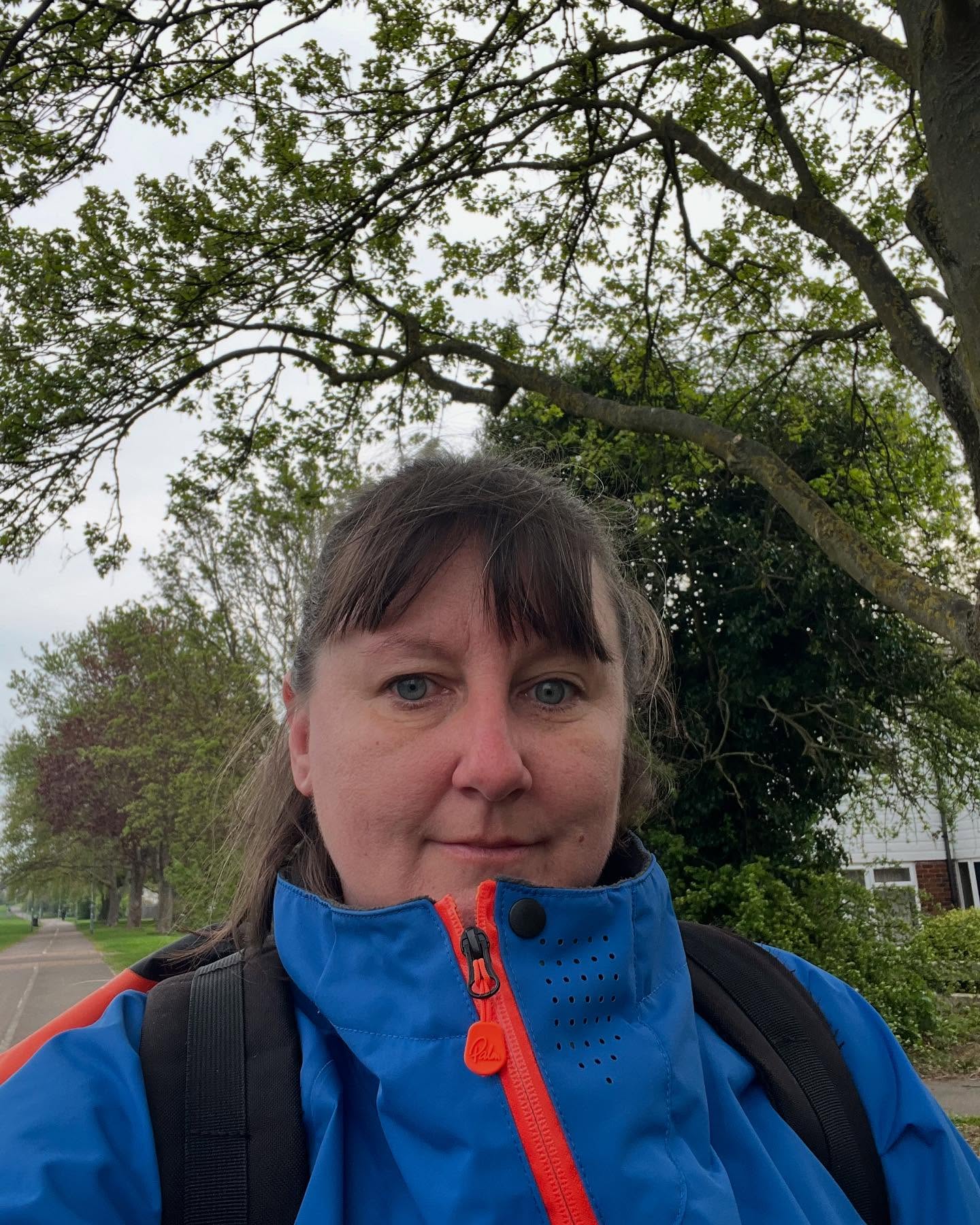
Academically I’m a Computer Scientist, but am an experienced education professional specialising in computing and digital research skills. I focus on the social impacts of technology, including social justice and environmental sustainability. My work in education development is focused on the notion of intentional hospitality, and I enjoy helping colleagues develop as educators. I am a Fellow of AdvanceHE and a Senior Certified Member of ALT.
Portfolio: http://reflect.ucl.ac.uk/sahern
Work website: https://profiles.ucl.ac.uk/38404-samantha-ahern
TODO: Neil Anderson
TODO: William Bell
Samantha Alvarez Madrazo (she/her)
Senior Teaching Fellow and Statistical Teaching Coordinator, Imperial College London

I am a pharmacist, health data scientist and educator. Learning programming at the same time as learning statistics can be a challenging journey. Being surrounded by supportive and inspiring colleagues and having a continuous dialogue with online and on-campus postgraduate students enriches my journey. My motivation to contribute to this book is to keep learning from each other, share ideas about empowering students to develop a coding mindset and reflecting about online teaching.
LinkedIn: https://www.linkedin.com/in/samantha-alvarez-b3137211
Yanina Bellini Saibene (she/her)
Community Manager, rOpenSci, RLadies+, Universidad Austral
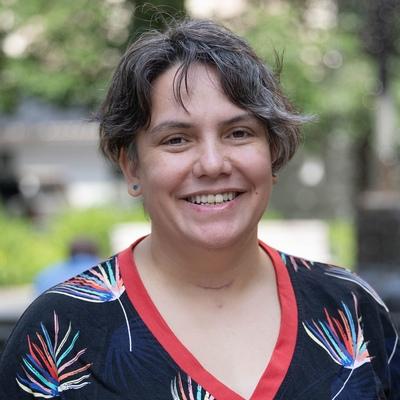
I work at the intersection of open science, community building, and research software, with a focus on making knowledge more accessible across languages and regions. My background is in information systems and data science, and much of my work centers on supporting communities in the Global South through mentoring, training, and localization efforts. I contributed to this book to share practical lessons from translating teaching materials, highlighting both the challenges and opportunities of creating more inclusive and globally relevant educational resources.
Personal website: https://yabellini.netlify.app/
Github: https://github.com/yabellini
TODO: Devanjan Bhattacharya
TODO: Neil Bray
TODO: Alex Buckley
TODO: Arif Budiarto
Yashique Chalil (He/Him)
Tutor, Reid School of Music, University of Edinburgh

I am a Software Engineer and Sound Designer dedicated to exploring the limits and possibilities of creative expression. Working at the intersection of music technology, academia, and community-based practices, I aspire to build tools that make this expression more accessible and intuitive. My fascination with the intricate relationship between programming, electronics, nature, culture and the arts inspires me to pursue this path.
Personal website: https://yashiquechalil.com/
LinkedIn: https://www.linkedin.com/in/yashique/
Rebecca Chislett (she/her)
Associate Professor, University College London
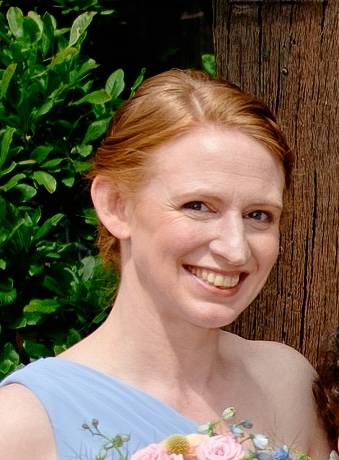
I am an associate professor in the High Energy Physics group at UCL. Following on from my PhD working on the LHC, my current research focusses on precision muon physics, specifically muon g-2 and Mu2e. Computer programming is integral across particle physics to analyse the large volumes of data and use innovative techniques to produce the best results. This motivates my teaching of both particle physics and (most relevant here) an introductory python programming course for first year undergraduates. The ethos is about coding for practical uses in physics, to aid and complement their learning and hopefully set them up for their future careers.
Work website: https://profiles.ucl.ac.uk/29547-rebecca-chislett
Lee Clift (he/him)
Teaching Associate, University of Strathclyde
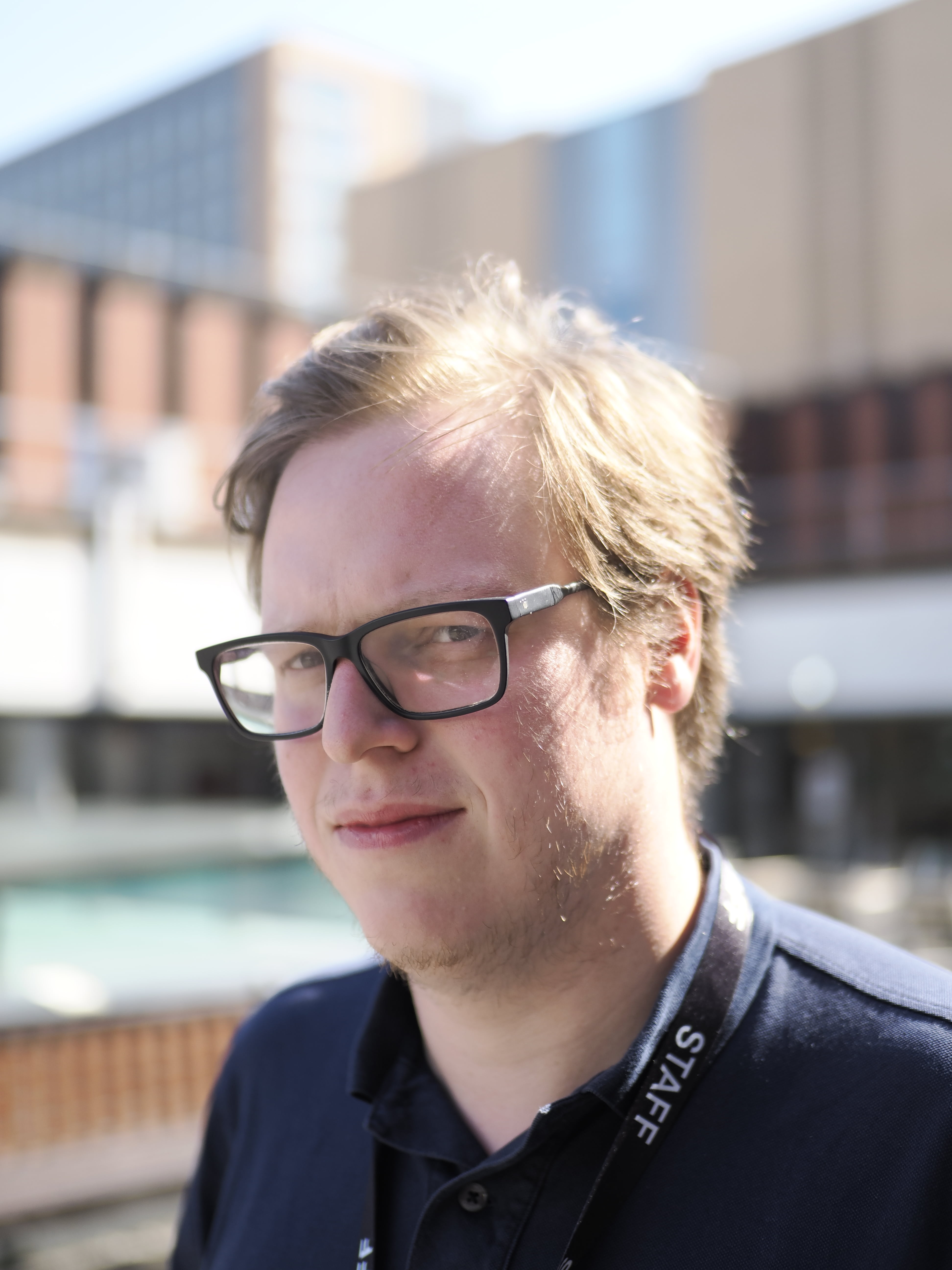
I am a Teaching Associate in Computer and Information Sciences with a background in robotics and a passion for making technology accessible and engaging for everyone. Alongside my university teaching, I run outreach sessions in schools across the United Kingdom, introducing young learners to programming through creative, hands-on activities. My work focuses on supporting educators in integrating emerging technologies, such as generative AI and robotics, into their teaching practice, as well as on exploring how endangered and minority languages can be sustained in a digital world.
Work website: https://www.strath.ac.uk/staff/cliftleedr/
ORCID: https://orcid.org/0000-0002-8313-9934
TODO: Matthew Collins
Rebecca Colquhoun (they/them)
Teaching Fellow, Imperial College London
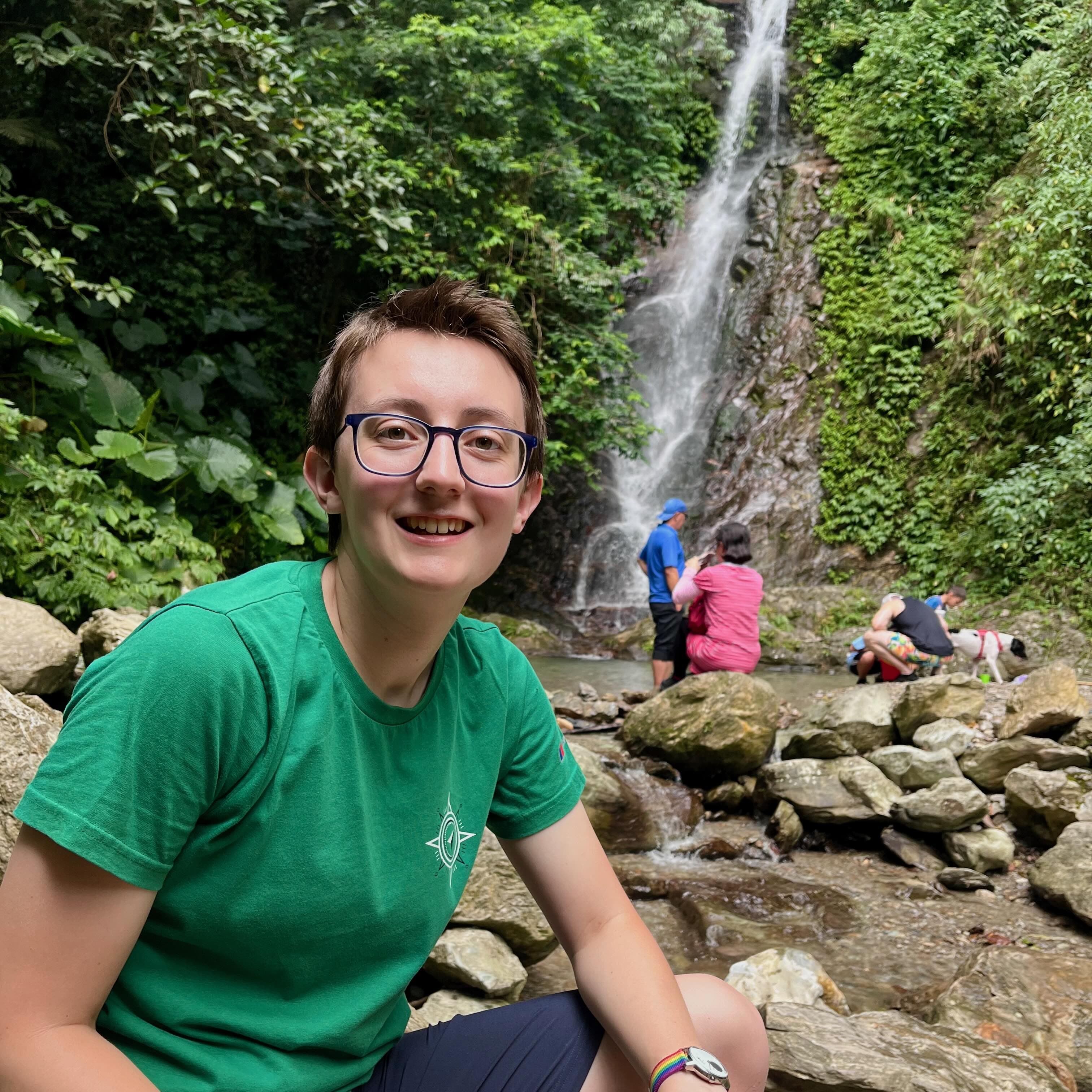
I am a Teaching Fellow in Geophysics and Quantitative Geoscience, with a particular interest in how we best teach maths and programming to students who may not have directly chosen to study them! I’m also interested in how we make education, including programming education, more accessible and inclusive for everyone.
LinkedIn: https://www.linkedin.com/in/rebeccacolquhoun/
Personal website: https://rebeccacolquhoun.github.io
Chris Cooling
Senior Teaching Fellow, Imperial College London
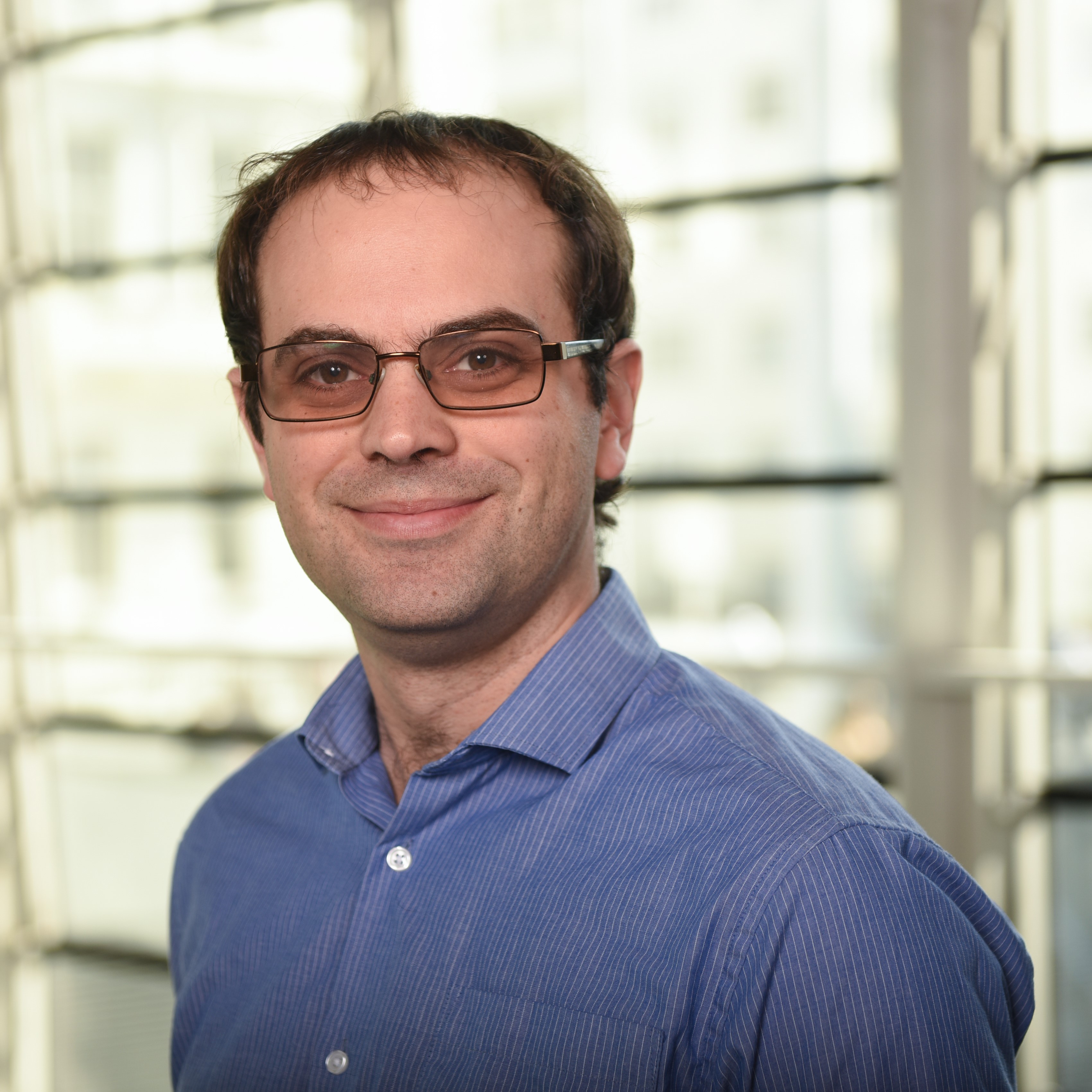
As part of the Early Career Researcher Institute, I teach programming courses to early career researchers from all departments across the university. I mainly teach Python, LaTeX, Fortran and AI-Assisted Programming. I have an interest in helping researchers learn the tools and practices that they can immediately use practically to achieve their research goals. I am also interested in the knotty problem of how we can incorporate generative AI into research computing such that we improve efficiency and capability, whilst retaining reliability, accuracy and accountability.
Work website: https://profiles.imperial.ac.uk/c.cooling10
LinkedIn: https://www.linkedin.com/in/chris-cooling-09938125/
David Cutting (he/him)
Reader (Associate Professor), Queen’s University Belfast
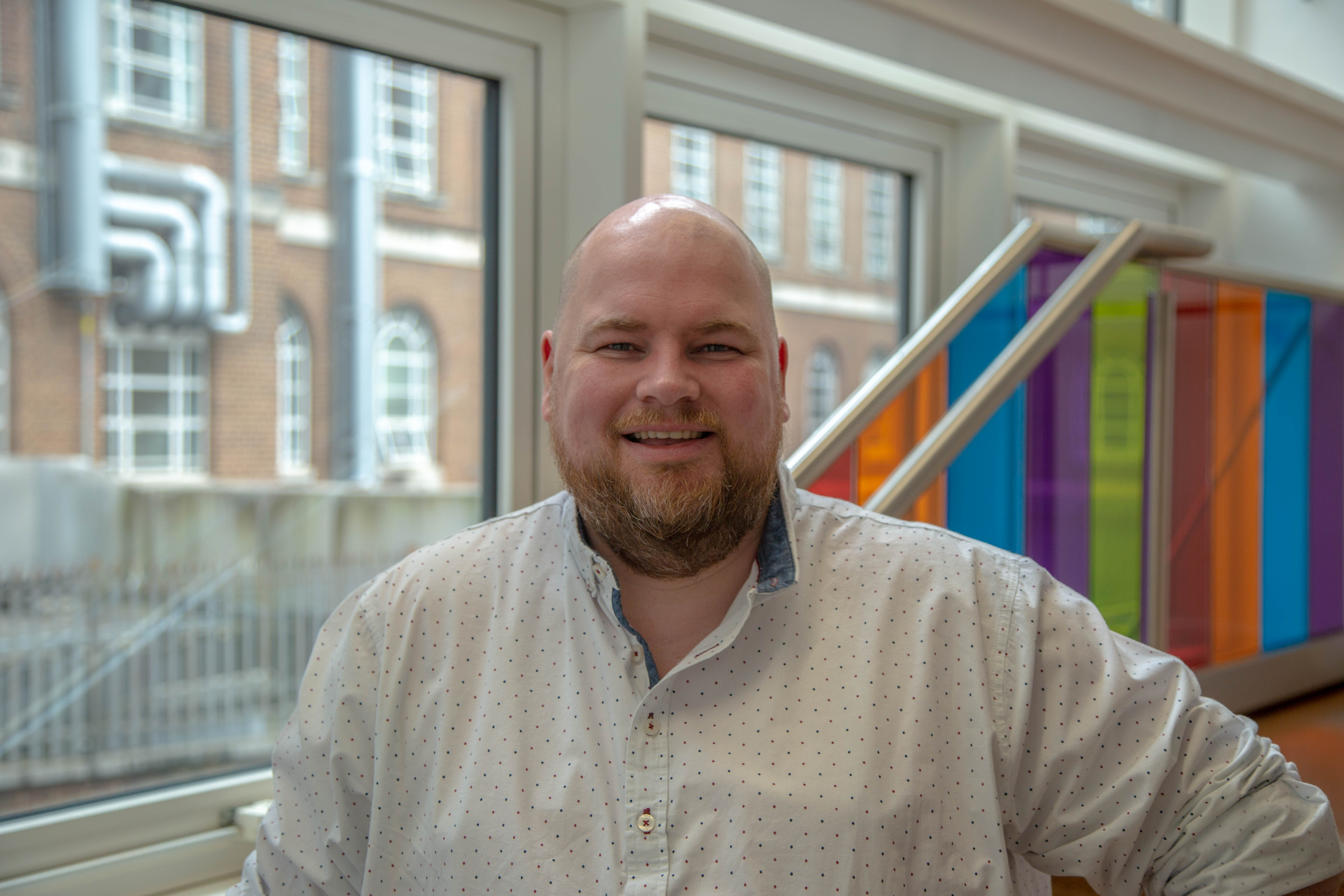
I’m a software fanatic who fell into education and hasn’t (yet) fallen out of it or with it. Programming since single digits of age I’ve made every technical mistake imaginable and still seem to generate technical debt at an astounding rate. I’m the author of some open source tools, mostly very obscure networking libraries and software. My research interests are around big dirty systems, often of the legacy and distributed variety and somewhat late to the party AI in software development. In my spare time I am an amateur rocketeer slowly working my way through the UK Rocketry Association certification levels with mixed success.
Personal website: https://davecutting.uk/
LinkedIn: https://www.linkedin.com/in/davecutting/
Frederik Dahl Madsen (He/Him)
PhD Student, School of Geosciences, The University of Edinburgh & Lyell Centre, British Geological Survey
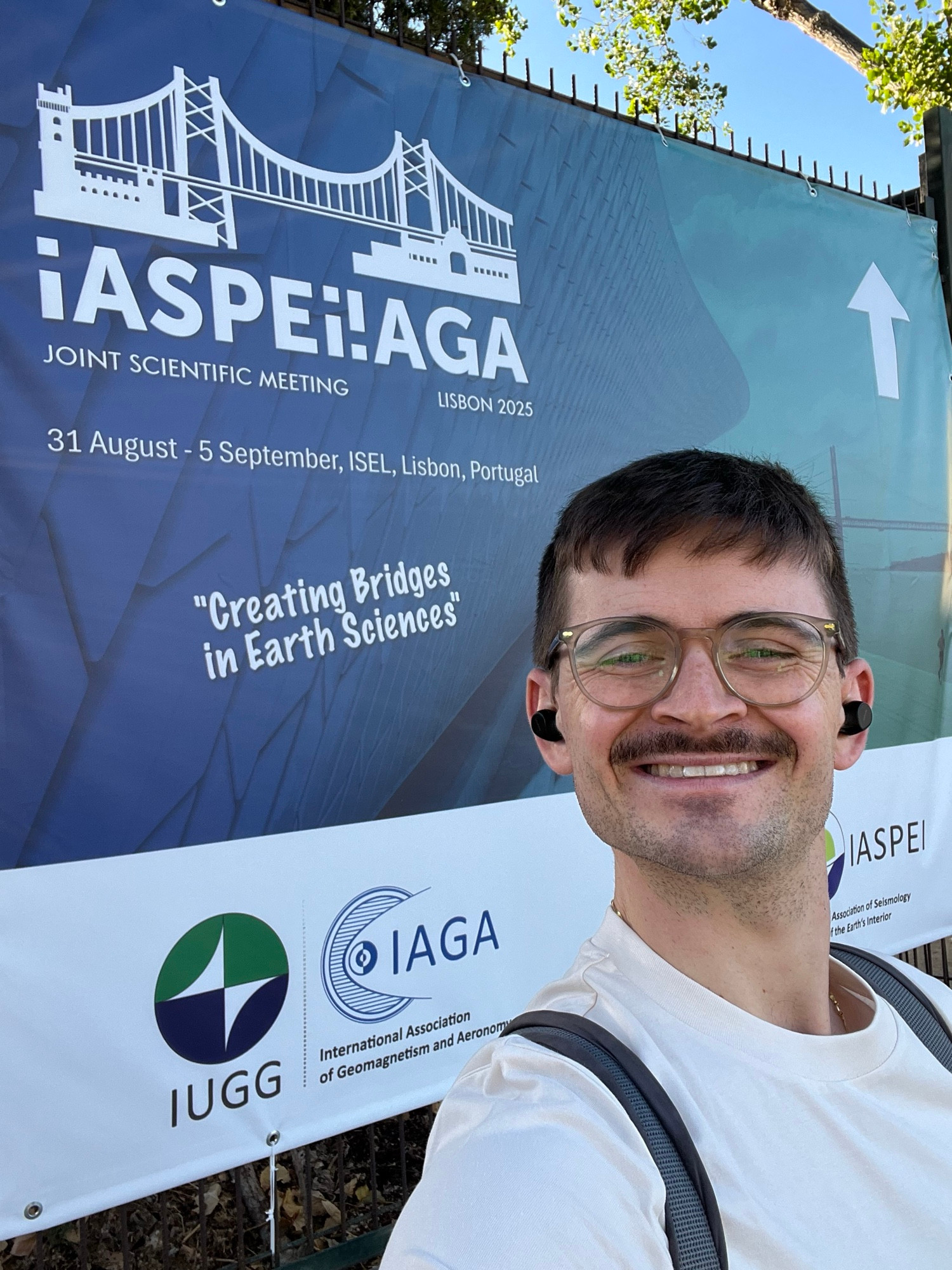
I am a PhD student at the University of Edinburgh and British Geological Survey, specialising in geomagnetism and geodesy. I am in particular interested in understanding geomagnetic jerks, and how they affect the length-of-day. Outside of my academic endeavours, I am engaged in outreach and engagement around Scotland. I also teach geophysics and science communication at the University of Edinburgh, and am engaged in improving our approach to assessment feedback in our undergraduate degrees.
Personal website: https://fdmadsen.wordpress.com/
ORCID: https://orcid.org/0000-0002-0621-1541
Mar Doig (they/them)
Engineering Education Lead at Perk (https://www.perk.com)

I’m a software engineer and educator focused on the human side of technical literacy. As the Engineering Education Lead at Perk, I designed an in-house academy that turns curiosity into production-ready code, using my own career pivot as a roadmap. Away from the screen, I spend my time exploring high-fantasy worlds and rural Scotland alongside my husband and three children.
LinkedIn: https://www.linkedin.com/in/mardoig/
GitHub: TODO
Olexandr Konovalov (he/him)
Lecturer, University of St Andrews
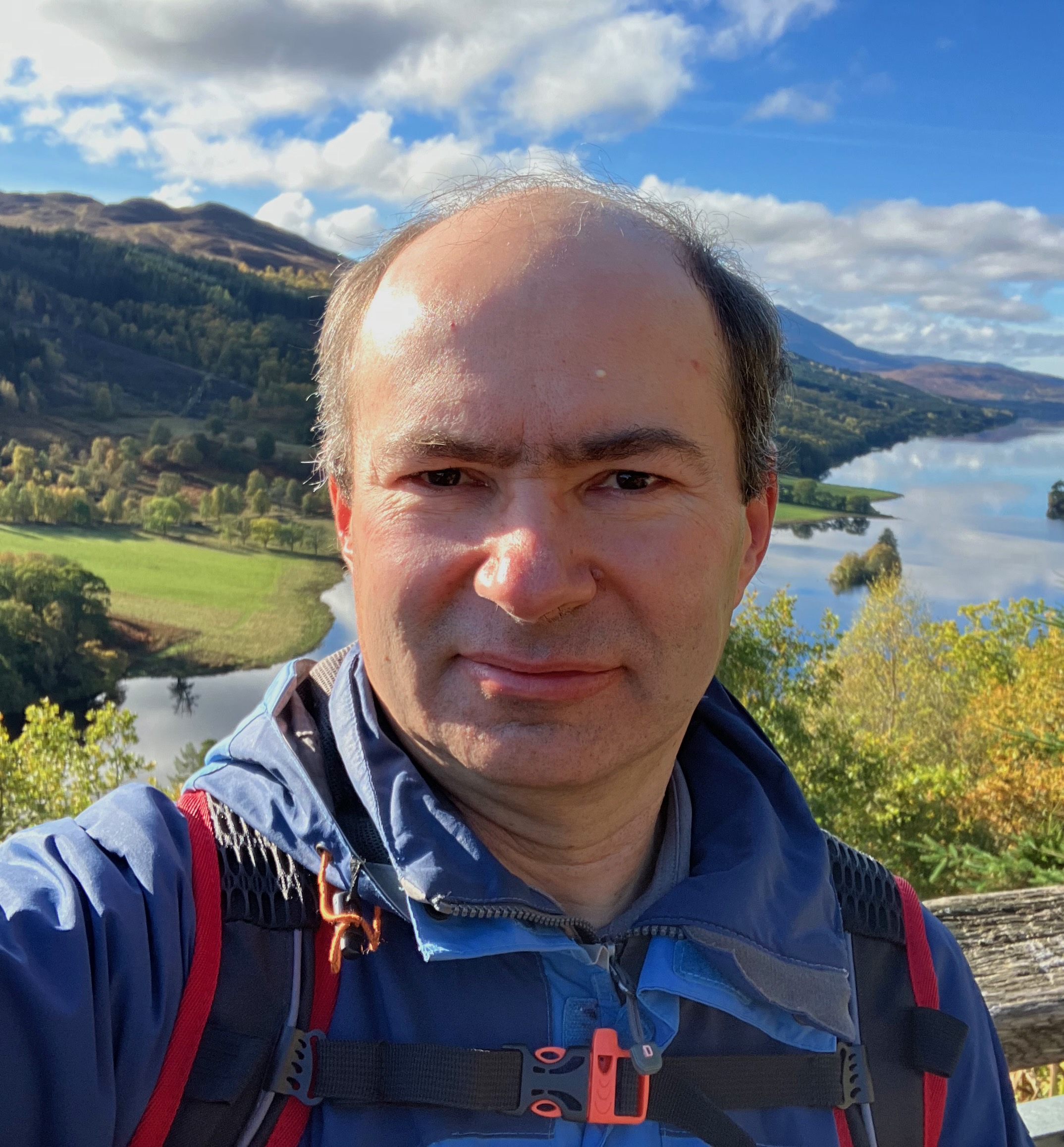
I am a Lecturer in Computer Science and a Fellow of the Software Sustainability Institute. My background is in Pure Mathematics, and initially I came to Scotland from Ukraine to work on the open-source mathematical software system called GAP. Now I teach Python for diverse cohorts of learners and advocate for good practices of working with code and data. I am an Instructor and an Instructor Trainer for The Carpentries, where I have established and coordinate the Ukrainian Carpentries Community. My contribution to this book is very much based on the experience of translating The Carpentries teaching materials into Ukrainian.
Personal website: https://olexandr-konovalov.github.io/
ORCID: https://orcid.org/0000-0001-5299-3292
Tiago A. Marques (he/him)
Principal Research Fellow, CREEM; The University of St Andrews / CEAUL; DBA; Faculdade de Ciências da Universidade de Lisboa
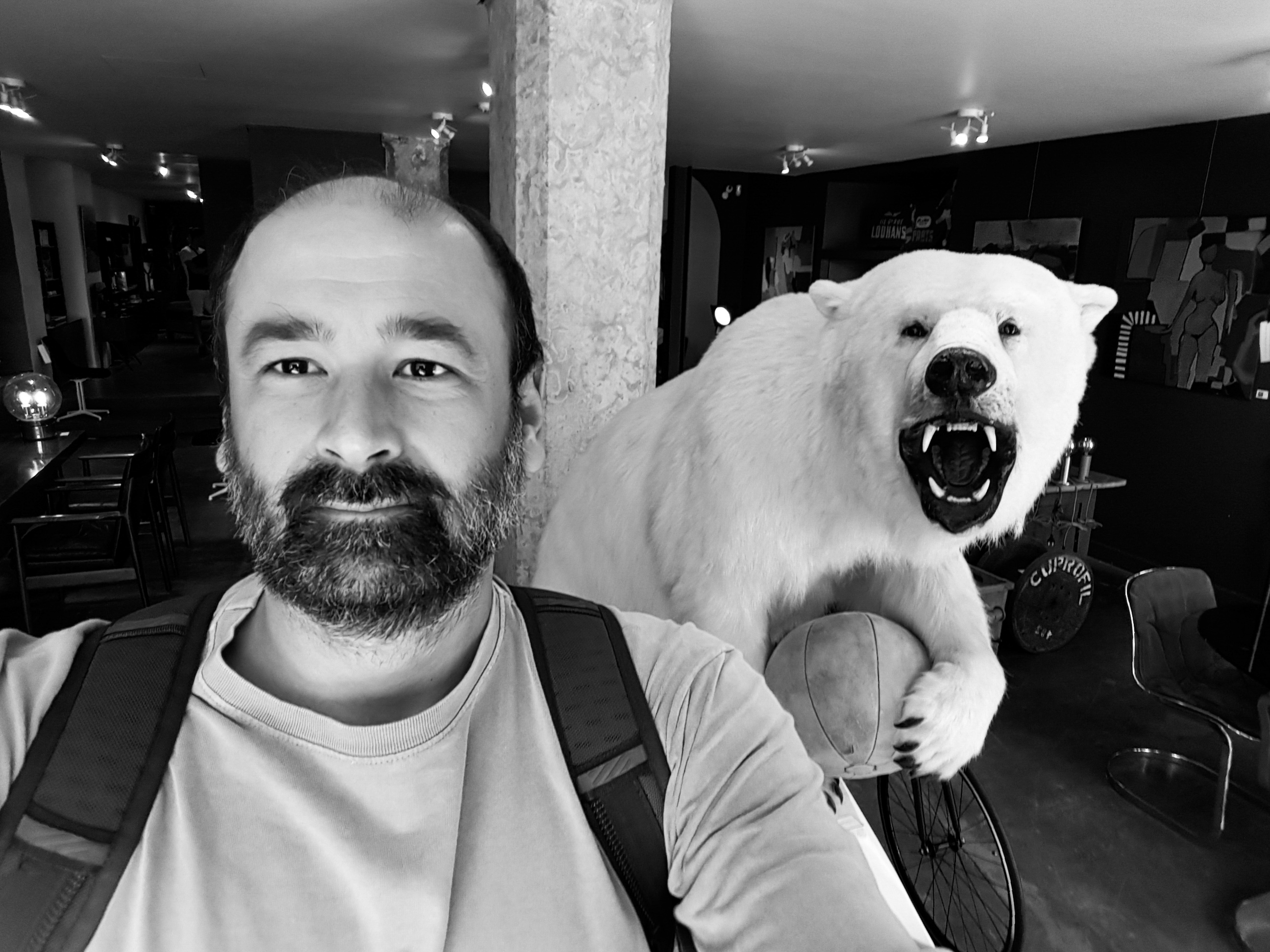
I was once a biologist that become more and mor atracted by the dark side of the force, so then I did and MSc and a PhD in statistics. These days I work as an ecological statistician, mostly on the topic of animal abundance estimation. I teach, and have a keen interest in how we should be teaching, statistics to ecologists that might be as afraid from it as I once was.
Work website: https://research-portal.st-andrews.ac.uk/en/persons/tiago-a-marques/
Github: https://github.com/TiagoAMarques
Katerina Michalickova (she/her)
Principal Teaching Fellow, Imperial College London
I’m an educator with a background in high performance computing and bioinformatics. I focus on coordinating and promoting a comprehensive programme in computing and data skills for early-career researchers. I’m always interested in exploring new ways to facilitate learning and in pondering how to adapt our teaching to the LLM generation.
Work website: https://profiles.imperial.ac.uk/k.michalickova
LinkedIn: https://www.linkedin.com/in/katerina-michalickova-a94817141/
Elizabeth Pankratz (she/her)
Lecturer, The University of Edinburgh
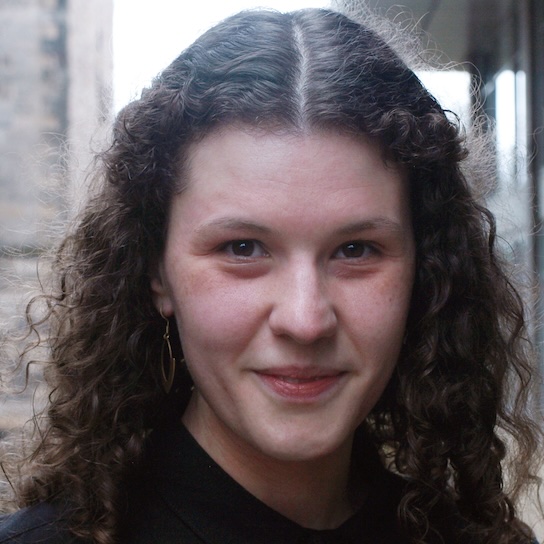
I’m a linguist turned statistics teacher. My teaching practice is built on ideas from critical pedagogy and psychological research on motivation, learning, and memory. I care a lot about helping people overcome their fear of statistics and programming, and I think that a key way to do this is to give people the freedom to take risks and try new things without penalty, an idea that I explore in my chapter of this book.
Personal website: https://elizabethpankratz.github.io
Github: https://github.com/elizabethpankratz
Louise Dash (she/her)
Associate Professor (Teaching), University College London
I’m a teaching academic with a research background in computational condensed matter physics. I’ve been leading in computing education as part of undergraduate physics degrees for over 15 years. I’m particularly passionate about embedding coding as a core skill within physics degrees, not just in programming classes but as a fundamental part of the wider curriculum. Our students come from a diversity of backgrounds and prior experience with programming, and my approach to teaching is to encourage experimentation and increase confidence for all students.
Work website: https://profiles.ucl.ac.uk/38506-louise-dash/
Joseph El Gemayel
Teaching Fellow, University of Strathclyde
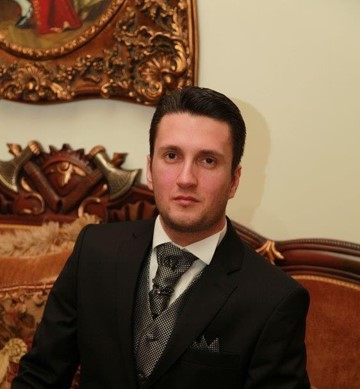
I am an experienced computer science educator and Fellow of the Higher Education Academy, with over a decade of teaching across undergraduate and postgraduate levels, specialising in Artificial Intelligence and Machine Learning. My contribution to this book draws on designing and delivering online modules, creating accessible Python programming instruction for non-computer scientists using Jupyter Notebooks, and developing automated assessment approaches. I am also particularly interested in how AI-driven methods can enhance learning, making complex subjects more engaging, inclusive, and effective for large, diverse cohorts.
Work website: https://pureportal.strath.ac.uk/en/persons/joseph-el-gemayel/
LinkedIn: http://www.linkedin.com/in/joseph-elgemayel
TODO: Sarah Elliot
TODO: Tuğrulcan Elmas
TODO: Tom Farrington
TODO: Suzanne Goopy
TODO: Jonathan Holt
Nick Jayanth
Teaching Fellow, Imperial College London

I am a Teaching Fellow and joined the teaching family as a Graduate Teaching Assistant after my Masters in 2020, and it was the best decision! I enjoy teaching statistics in the public health context. I also teach programming, mainly in R. I want to share my experiences in these fields and would like to learn from others. Beyond my role, I enjoy history and travelling. I often say to myself if I was not a teacher, I would have been on some archaeological dig in Egypt!
ORCID: https://orcid.org/0000-0002-6906-4219
Stuart King
Reader, The University of Edinburgh
I am a Reader in applied mathematics, and my research interests span across applied machine learning and mathematical modelling, with applications from health image data through to environmental problems. I have taught programming and data science in various places over the last twenty years, often with an interdisciplinary angle, and often at an introductory level. I’m really interested in introducing more learners to thinking algorithmically and the value that programming can bring as a way of solving problems.
LinkedIn: https://www.linkedin.com/in/stuart-king-a0b64b311
Work website: https://webhomes.maths.ed.ac.uk/~sking3/
Patricia A. Loto (she/her)
Teaching Assistant, UNNE, FACENA, Universidad Nacional del Nordeste (UNNE)
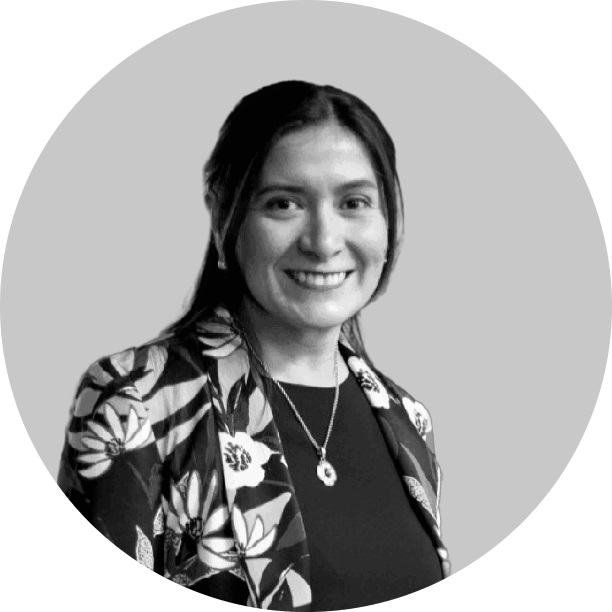
My background is in Information Systems and I work as a university programming instructor. I have taught people approaching code for the first time, with no prior computing background, and I currently teach core computer science courses — a journey that showed me that, regardless of the level, what defines a good programming class is designing for those who need it most, leaving no one behind.
Personal website: https://patricia-loto.netlify.app/
Github: https://github.com/PatriLoto
Andrew MacLaren (he/him)
Associate Professor, Heriot-Watt University
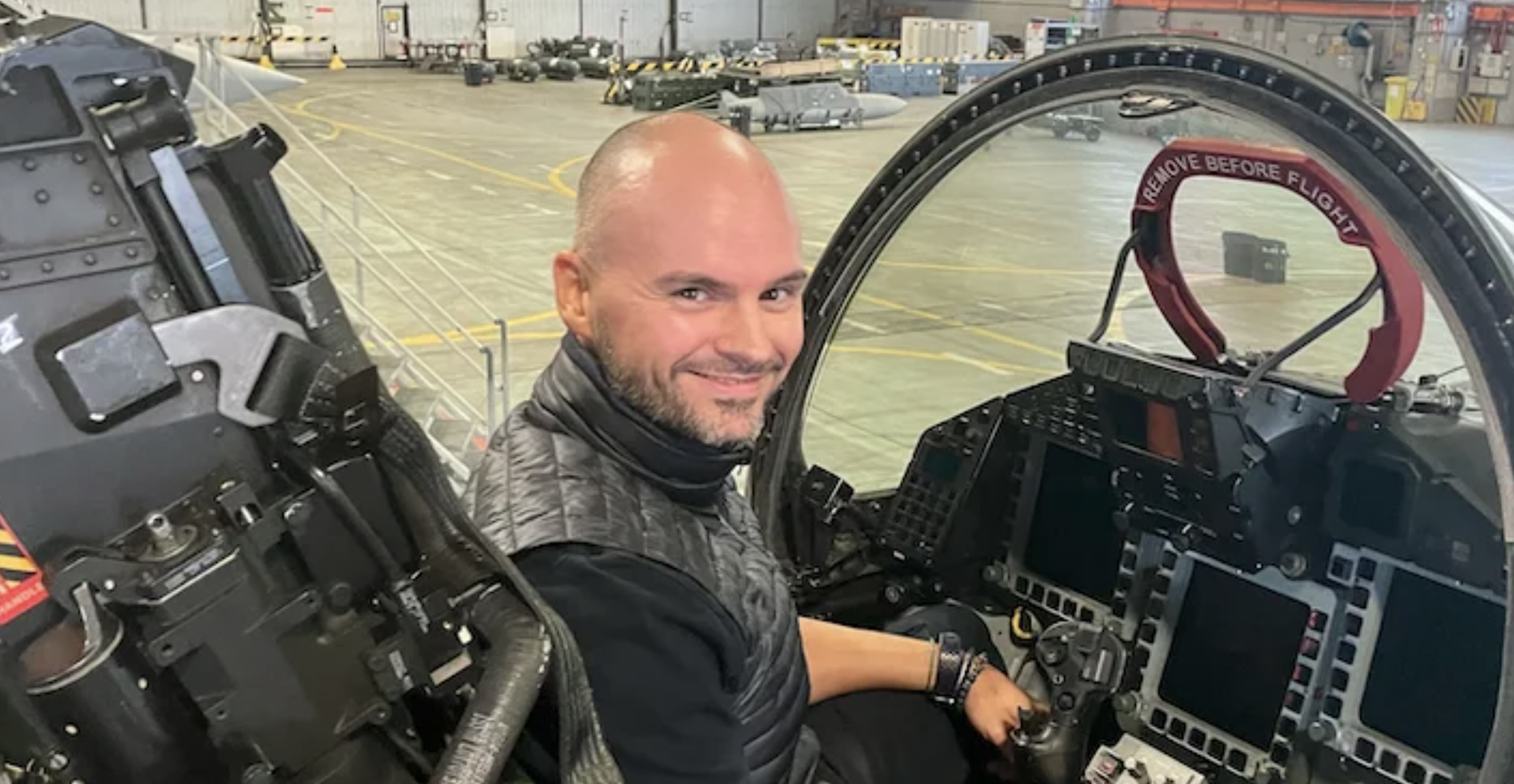
I have a background in the social sciences, having researched leadership and language in my PhD, and my current research interests focus on teamwork and communication. I see teaching as central in an academic’s life and feedback is fundamental to how our students learn. My work on feedback led to my contribution to this book through the Action Feedback Protocol project, which takes a systems approach to delivering feedback. I also co-host a podcast called Teamcraft which offers an academic and a technology leader’s views on teamwork – available on all platforms and Youtube.
Personal website: https://sites.google.com/view/theactionfeedbackprotocol/home
LinkedIn: https://www.linkedin.com/in/dr-andrew-maclaren-40518216b/
Lucia Michielin (she/her)
Digital Skills Training Manager, The University of Edinburgh

Lucia Michielin works within the Data-Led Methods and Research Technology team (EFI-University of Edinburgh), where she leads a data-led methods training programme. Her work supports researchers in the Arts, Humanities, and Social Sciences who wish to incorporate digital and data-driven methods into their research projects and offers a wide range of learning opportunities, from introductory coding courses to hands-on workshops, challenge-led collaborative work, and in-depth explorations of various digital methods. Lucia has considerable experience in designing and delivering training courses focused on data skills and digital research methods, as well as applying computational methods in humanities research. She holds a PhD in Classics from the University of Edinburgh and has developed extensive expertise in the Digital Humanities.
Work website: https://edwebprofiles.ed.ac.uk/profile/dr-lucia-michielin
Tom Mudd
Reader, School of Music, University of Edinburgh
I’m a musician who primarily uses coding as a way to explore music-making. I teach on courses that relate to this in the school of music at the University of Edinburgh.
Personal website: https://tommudd.co.uk
Maeve Murphy Quinlan (she/her)
Research Software Engineer, University of Leeds
I’m a research software engineer with a background in planetary science research. I teach researchers how to implement sustainable software practices, in a way that aims to be welcoming, encouraging, and inclusive. When I’m not researching or coding, you can find me playing a TTRPG with my friends: the perfect place to live the dream of redistributing wealth and getting a solid eight hours of uninterrupted sleep. While I helped to brainstorm and plan our chapter in this book, the writing credit must firmly sit at the feet of my fantastic lead co-author, Francisco!
Personal website: https://murphyqm.github.io/
ORCID: https://orcid.org/0000-0003-2958-1008
TODO: Lisa Otty
TODO: William P.
Olga Petrovska
Institute of Coding in Wales, Swansea University
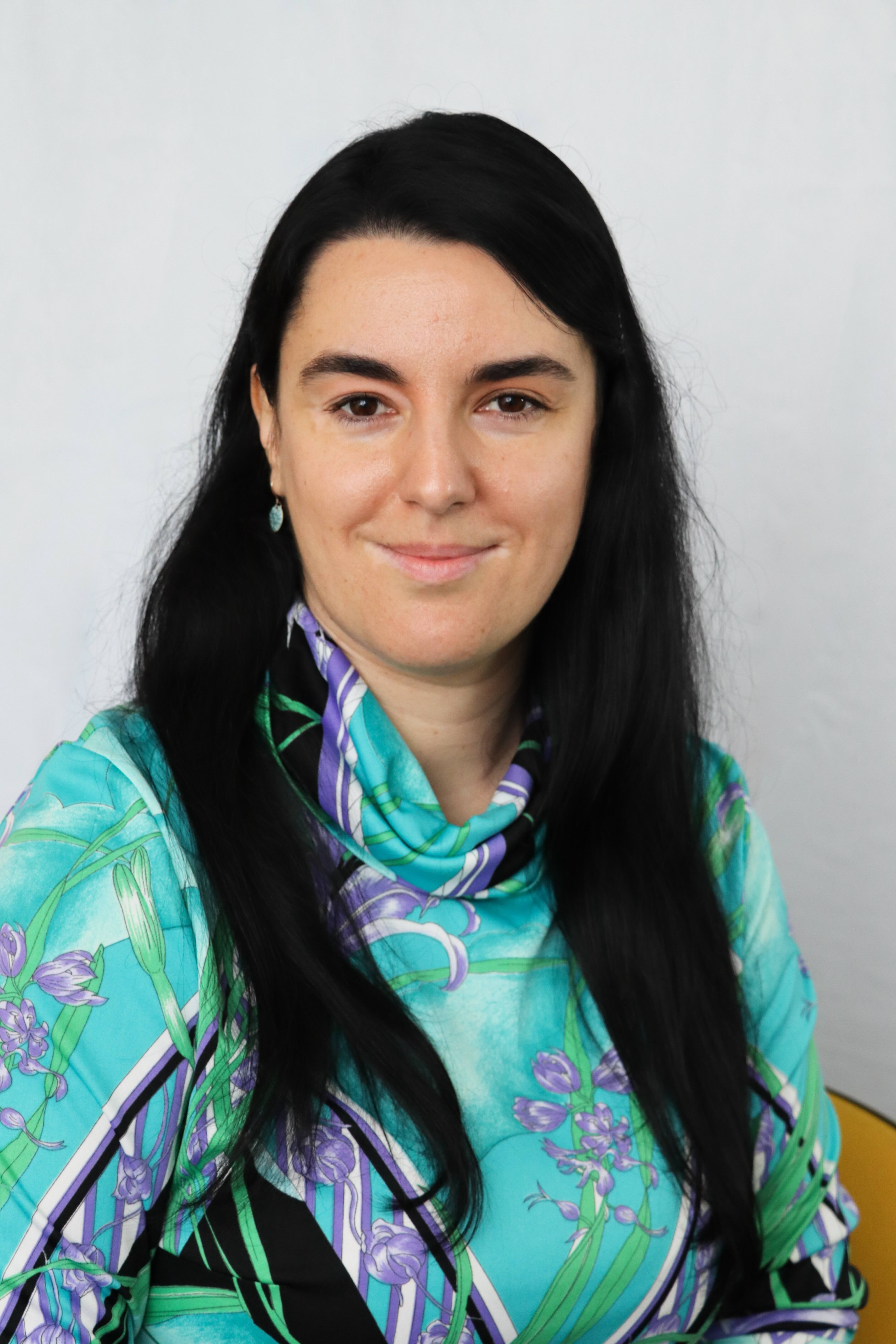
I am a researcher and educator at the Institute of Coding in Wales and Swansea University, and a Senior Fellow of the Higher Education Academy. My academic background is diverse, spanning linguistics, pedagogy, and theoretical computer science. I am deeply interested in how people learn, reason about, and communicate technical ideas. My recent work focuses on computing education, with particular emphasis on Generative AI literacy.
Personal website: https://opetrovska.github.io/#about
LinkedIn: https://www.linkedin.com/in/olgapetrovska/
Ruini Qu (she/her)
The University of Edinburgh
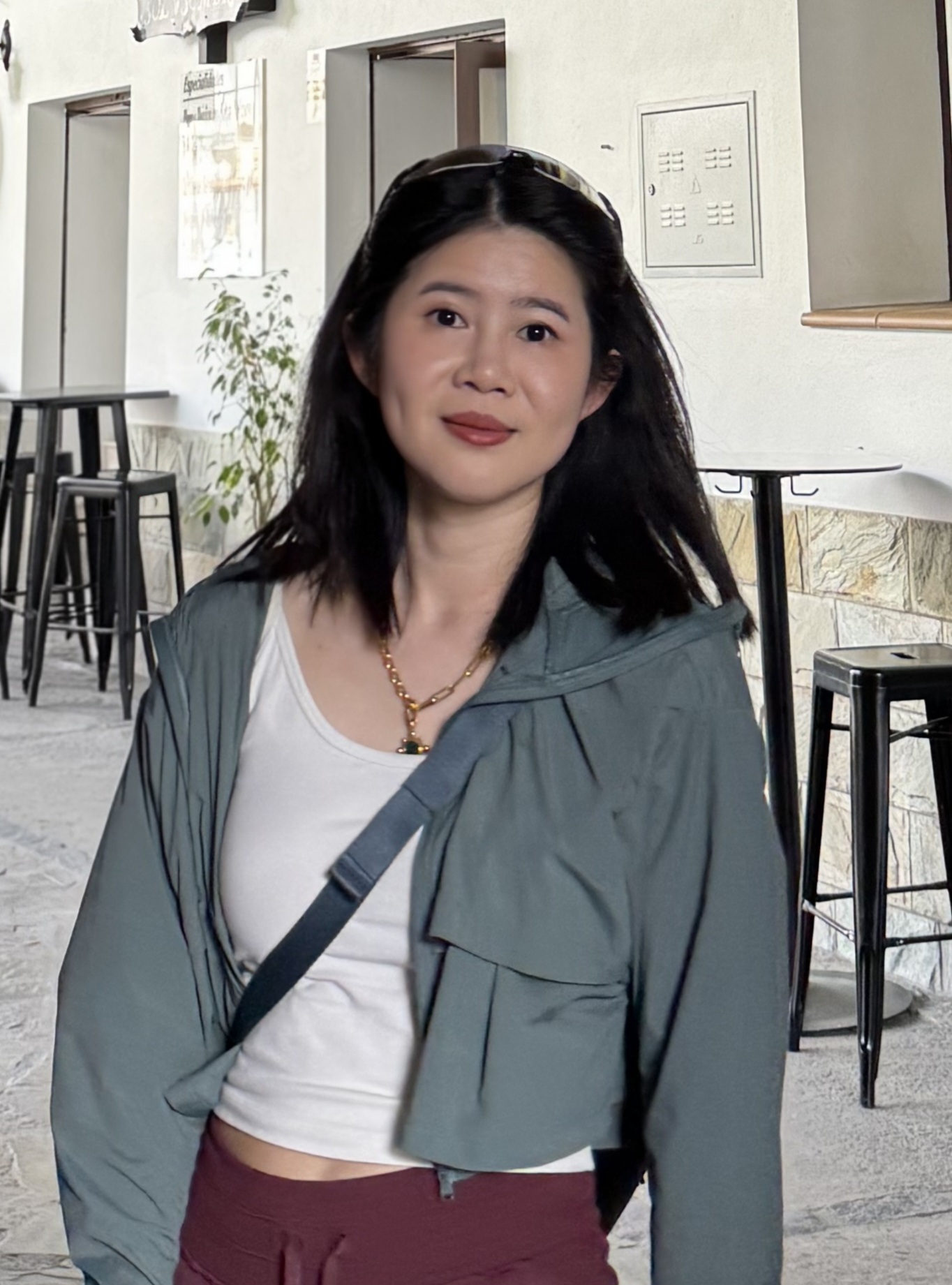
I specialize in Management Science and Operations Research, focusing on how technical tools can be leveraged within Business Analytics. As someone relatively new to teaching code, I am constantly exploring different pedagogical approaches to find what truly resonates with business students. My goal is to move beyond syntax and help learners see the practical side of programming. Outside the classroom, I enjoy DIY projects and crafting handmade pieces—finding the same joy in building things by hand as I do in building a good piece of analysis.
Nguyen Quang Chien (He)
Research Associate, University of Edinburgh
I joined the University of Edinburgh, School of Engineering, on a contract-based work related to software development. My background is in civil engineering, more precisely, hydraulics, and I had university teaching experience in Vietnam before Microsoft Copilot and Google Gemini were introduced. Now, civil engineering students are largely accessible to code and data repositories as well as good practices in programming. I believe that a shift in mindset towards programming would help them start their careers strong, and this initiates my contribution to the book.
Personal website: https://coastal-study.uk/
ORCID: https://orcid.org/0000-0002-1952-4360
Francisco Queiroz (he/him)
Lecturer, University of Leeds

I am a designer and educator (not necessarily in that order). My teaching background spans over nineteen years, two countries, and disciplines as diverse as image editing, game prototyping, research methods, and communication. My contribution to this book reflects my intention of making learning a truly collaborative and progressive experience.
Work website: https://ahc.leeds.ac.uk/design/staff/2233/dr-francisco-queiroz
ResearchGate: https://www.researchgate.net/profile/Francisco-Queiroz
Leo Riviera (he/they)
Innovation & Outreach Lead, Voxa

I’m a software engineer by trade, with a focus on helping cool people do cool stuff. I work at a space startup, organise engineering community groups and produce installations for creative technology festivals. I’m also working on a book about how building opinionated tooling can help startups succeed. When I’m not busy touching computers, I mentor people from underrepresented backgrounds so they develop the skills they need to work as software engineers. I also speak at conferences and contribute to open source, advocating for decentralisation, open data and personal data sovereignty. I’m a big believer in the power of using systems thinking to build a world where hardware, software and peopleware work well together. In that vein, I’ve contributed to and edited this book.
Personal website: https://cowsay.io
ORCID: https://orcid.org/0009-0004-3316-1852
TODO: Gule Saman
Ignacio Sepulveda (He/Him)
Lecturer, Scotland’s Rural College (SRUC)
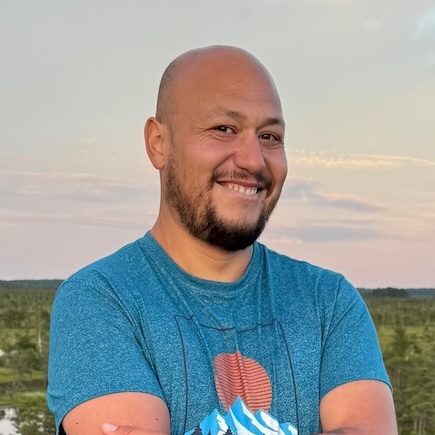
I’m a chemical engineer doing research and teaching in wildlife and conservation management. My mum used to work as a software engineer, so there were computers around in my house for as long as I can remember. I had my first PC running early versions of DOS and Windows, and I used to invite friends over to play games. Back at University I learned how to use R and different GIS software. I still remember that feeling, almost like early humans discovering fire. For the past six years, I’ve been lucky enough to teach conservation students how to discover these skills for themselves. That journey led me to contribute my own experience to this book.
LinkedIn: https://www.linkedin.com/in/ignacio-s-6bb90841/
Work website: https://www.sruc.ac.uk/course-catalogue/wildlife-and-conservation-management/hnc-wildlife-and-conservation-management/
Leila Shila Shafti
Teaching Fellow, University of Strathclyde
I have been teaching programming for more than two decades in Spain and the UK. I have experience teaching both online and in-person classes across undergraduate and postgraduate programmes. I am particularly passionate about exploring innovative methods to enhance teaching and learning, with the aim of making complex concepts more accessible and strengthening practical understanding. I focus on creating an inclusive and supportive learning environment that encourages engagement and curiosity.
TODO: Hebatallah Shoukry
TODO: Jeremy Singer
Sam Skipsey (he/they)
Research Fellow, University of Glasgow
Officially I’m a physicist, and stumbled into research-only University track, but increasingly the things I care about most are; ethics in research and academia (and beyond), teaching people to think better and wider, and computing as a discipline that broadens capability for all. I am also one of the organising committee for the Roller Derby World Cup (and at some point will actually finish the paper on this that we’ve been co-authoring for more than a year…)
Work website: https://www.gla.ac.uk/schools/physics/staff/samuelskipsey/
TODO: Luke Stephens
Gordon Stewart (he/him)
ScotGrid Technical Co-ordinator, School of Physics and Astronomy, University of Glasgow
I am a research IT specialist who has worked in various disciplines across science and engineering; I currently manage large computer systems primarily used to crunch numbers for CERN, the European Organisation for Nuclear Research. Having originally trained as a software engineer, I now teach physicists and students from other backgrounds how to use computers—particularly those running Linux operating systems—and how to develop software for use in scientific research.
Chris Sutherland (he/him)
Reader, University of St Andrews
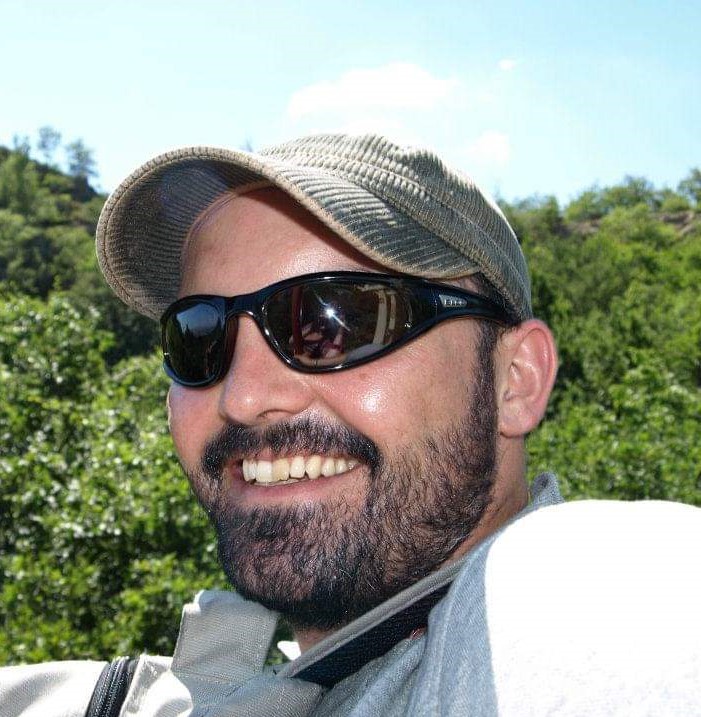
I work at the intersection of spatial ecology and statistics, developing biologically realistic models to understand how space use, dispersal, and demography respond to density, environment, and landscape structure. The goal is to turn ecological theory into practical tools for conservation and management.
Personal website: https://sutherlandecology.com/index.html
Mike Taverne (He/Him or They/Them)
Research Fellow in Electrical Engineering, Northumbria University
With a background in electrical engineering, I am specifically interested in photonics, quantum technologies, and developing related software. Making these complex concepts accessible and opening doors for others to discover the wonders of these subjects has long been a passion of mine. I enjoy teaching and inspiring others. I consider alternative learning and teaching techniques through playful means, such as music and games. I kept this creative approach in mind when writing my contribution to this book.
Work website: https://www.northumbria.ac.uk/about-us/our-staff/t/mike-taverne
ORCID: https://orcid.org/0000-0003-0521-8327
Antonia Voigt (she/her)
Lecturer, Surrey Business School, University of Surrey

My work is driven by a vision of a flourishing future for and through higher education. In the classroom, I am passionate about creating authentic learning experiences that empower students to develop lifelong and lifewide skills. Shaped by my fascination with complex systems, my teaching centres on helping students to find joy in the unpredictable nature of learning. Beyond the classroom, I draw on my background in education and management to support universities as organisations in cultivating educational quality in more sustainable ways.
ORCID: https://orcid.org/0000-0002-0608-2575
Lizzie Wadsworth (she/her)
Lecturer in Biological Sciences, Kingston University

I feel very fortunate to have been taught Python programming during my undergraduate degree, as it is so useful in Biological Sciences and has led to my PhD and career opportunities. I’m passionate about passing this on to the next generation of biologists as I believe this opens so many doors for them. I also find programming to be the most enjoyable subject to teach as it’s so hands-on, and watching students go from very little prior background to confidently writing and debugging their own code is very satisfying.
Work website: https://www.kingston.ac.uk/about/staff/dr-lizzie-wadsworth
LinkedIn: https://www.linkedin.com/in/lizzie-wadsworth-670b04170/
TODO: Steven Watterson
Ben Waugh (he/him)
UCL
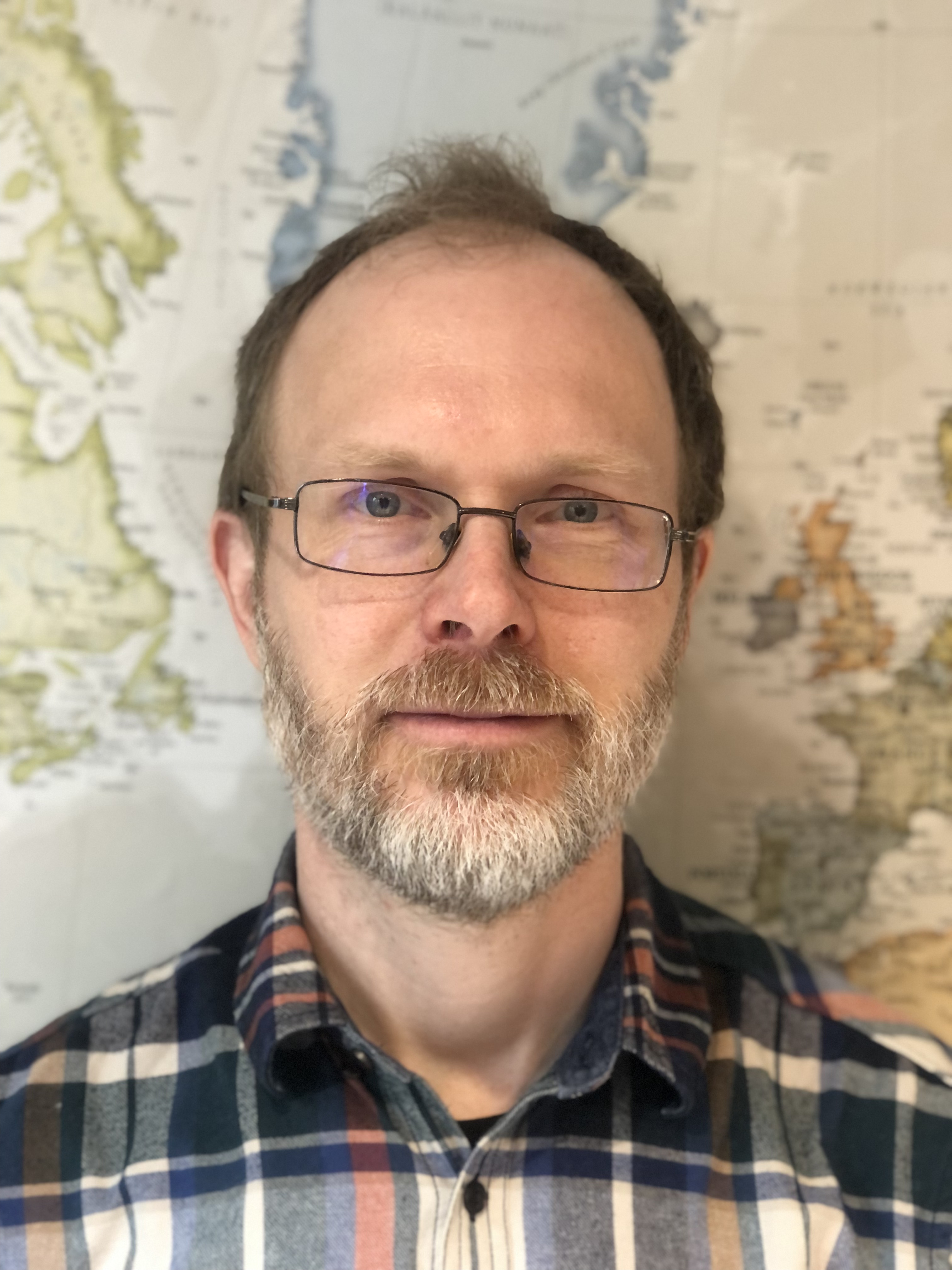
My training was in physics, and I am still a physicist, but my focus has shifted to computing and teaching. I see assessment as a vital part of education, but I don’t like marking, so I am constantly striving for approaches that guide learners towards better understanding, and fairly reflect their achievements, without sucking the joy out of life for markers or students.
Work website: https://profiles.ucl.ac.uk/3606-ben-waugh
LinkedIn: https://www.linkedin.com/in/ben-waugh-148053152/
TODO: John Wilson
Eileen Y. Xu (she/they)
The University of Edinburgh
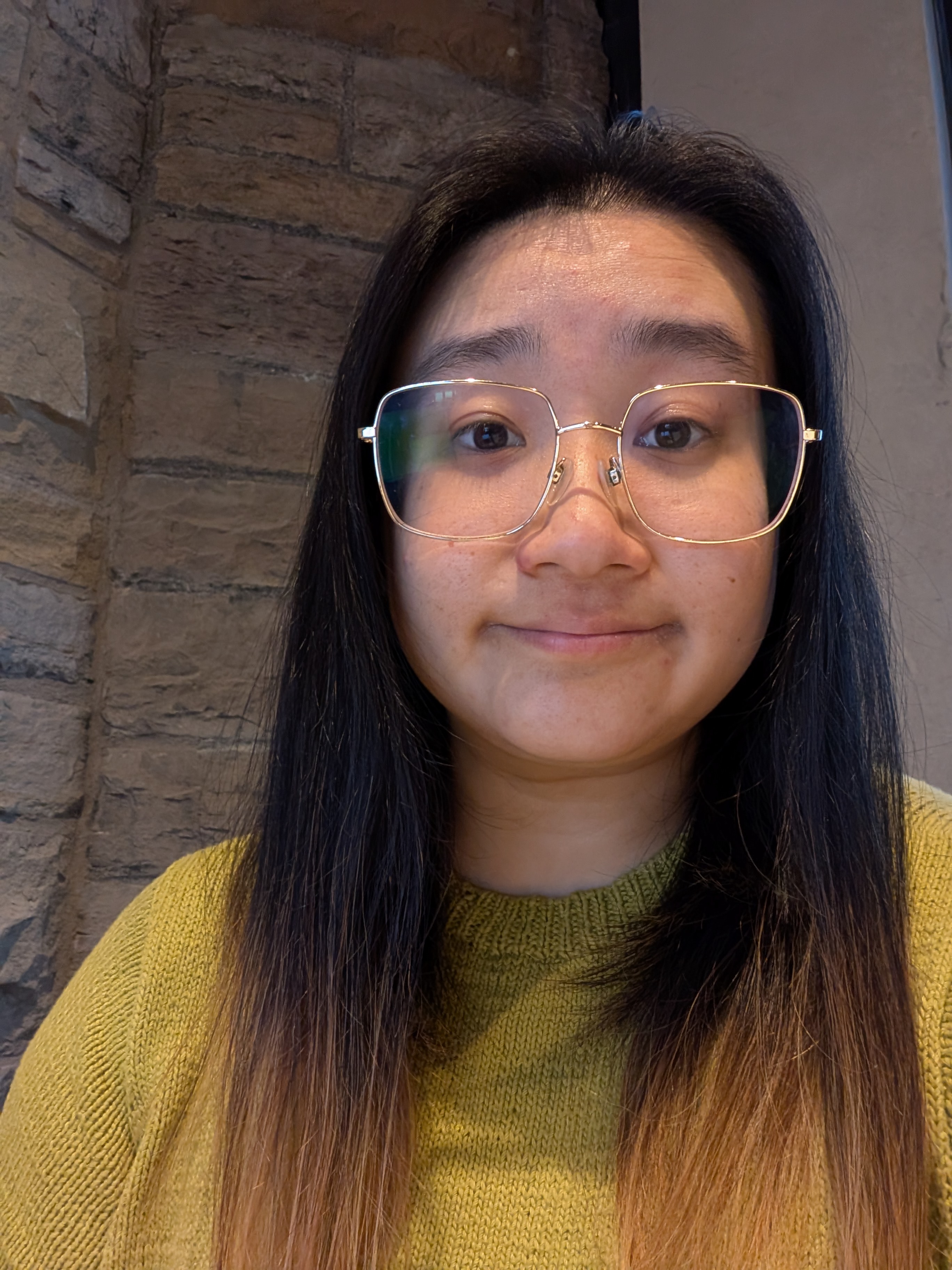
I am a mental health researcher and statistics tutor on undergraduate and postgraduate data analysis courses in Psychology. As a tutor, I help students to build confidence in their coding abilities during weekly labs by providing not only technical support, but also encouragement and reassurance. After all, nobody really memorises code - it just gets easier with time, practise and a lot of trial and error!
ORCID: https://orcid.org/0009-0003-5044-1437
LinkedIn: https://www.linkedin.com/in/eileenyxu/
Robert S Young
Senior Lecturer, Edinburgh Medical School, University of Edinburgh; Zhejiang University - University of Edinburgh (ZJE) Institute
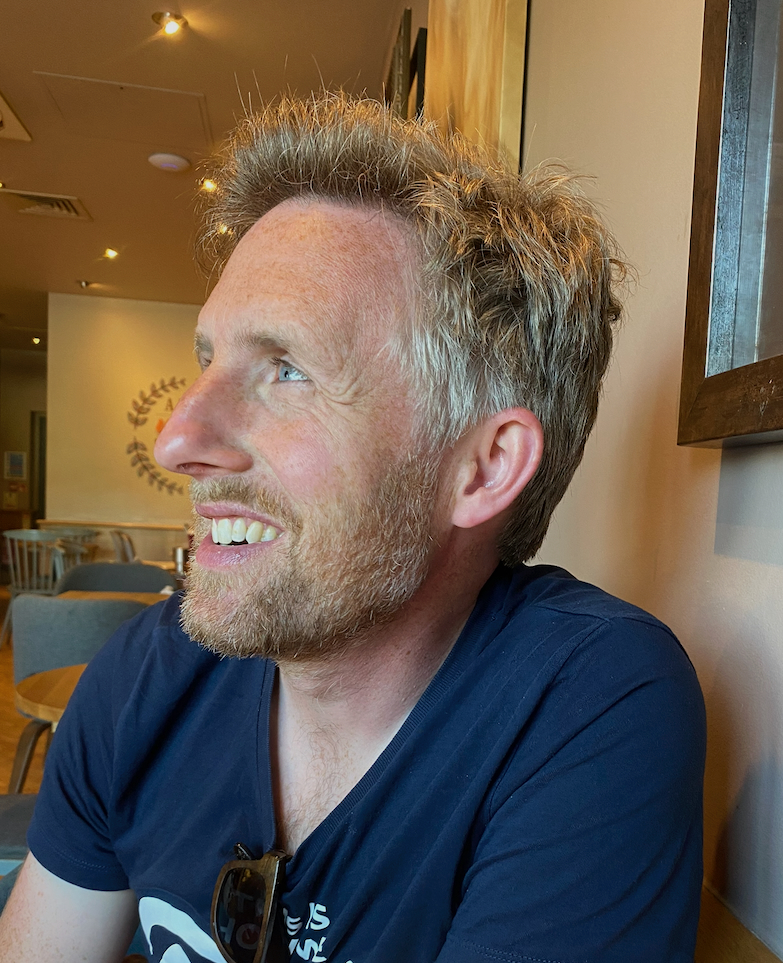
I teach various courses in programming, statistics and genomics. I lead a course which introduces Python programming to students from both a biomedical sciences and a biomedical informatics undergraduate degree programme. I enjoy showing students that the computer can be a powerful tool for research, and not something to be afraid of. I also lead a research programme which investigated how variation in medical traits and disease risk is driven by variation in the genomic content of noncoding, regulatory loci such as promoters and enhancers.
Work website: https://edwebprofiles.ed.ac.uk/profile/rob-young
LinkedIn: https://www.linkedin.com/in/rob-young-9804a780/